
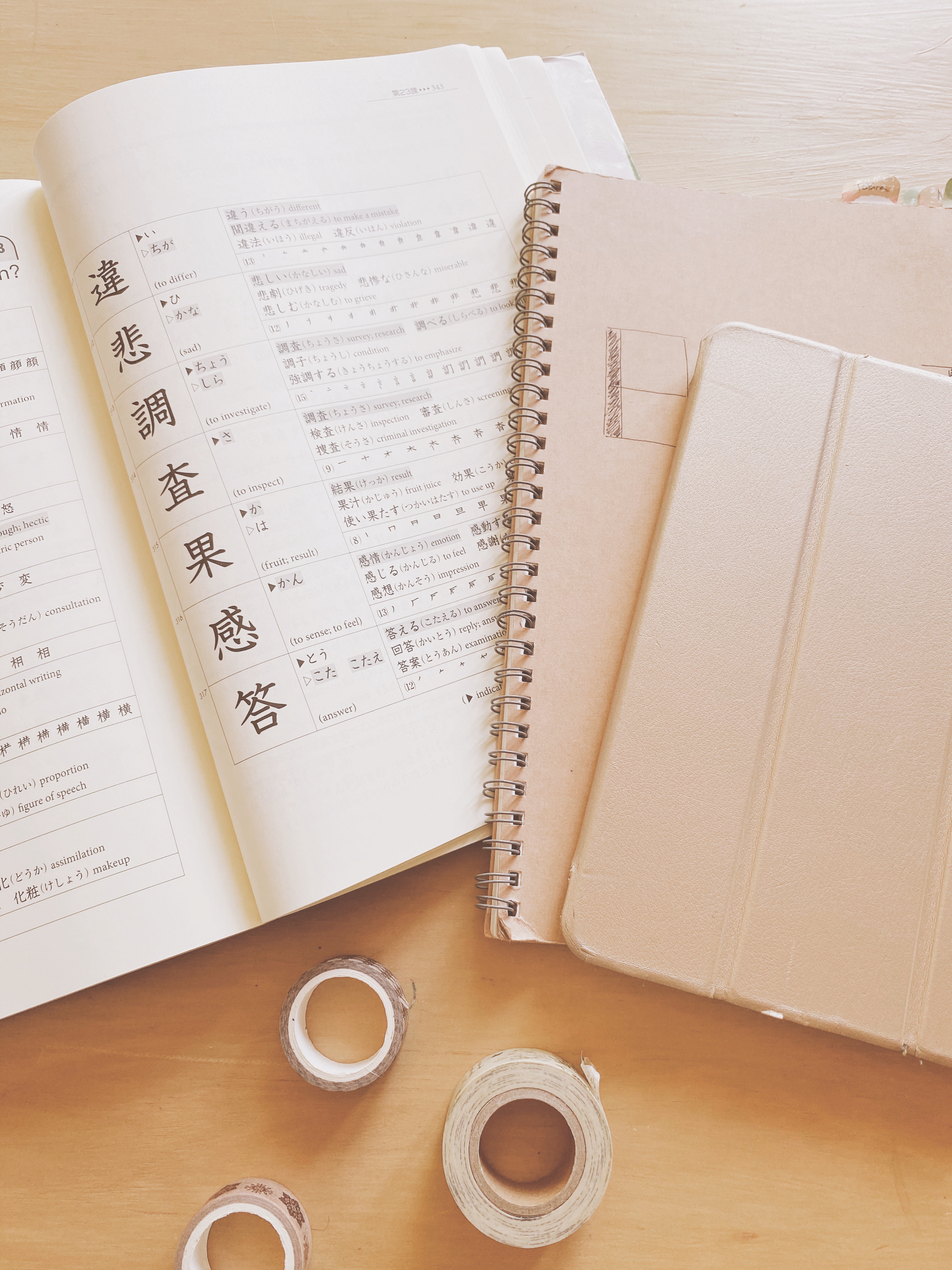
As all Japanese language learners know, kanji is sort of a never-ending battle to remember and retain. Thankfully, kanji is kind of logical and pattern-like especially when it comes to prefixes and suffixes (sometimes it’s not though too, which can be frustrating).
Here are some ways suffixes can be read and understood easily.
Adding 屋 (や): shop/room
パン屋: bakery
寿司屋 (すしや): sushi shop
ラーメン屋:ramen shop
本屋 (ほんや): bookstore
Adding 家 (か): job specialist
漫画家 (まんがか): manga artist
政治家 (せいじか): politician
作家 (さっか): writer
Adding 的 (てき): like, typical
基本的 (きほんてき): basically
一般的 (いっぱんてき): generally
Adding 化 (か): change
高齢化 (こうれいか): aging population
温暖化 (おんだん): global warming
Adding 担当 (たんとう): in charge of, role,
英語担当 (えいごたんとう): in charge of English, English role
リーダー担当: in charge of leading
Also here is some additional trivia in case you are interested.
Japanese Idol or Otaku Fan Subculture:
(名前) 〜担 (〜たん): fan of…(person’s name)
Ex. fan of けんと -> けんとたん
So it’s like saying you’re in charge of this person. You’re a fan of this person. I think you don’t just say 一番 (いちばん) on it’s own contrary to belief and internet use. Maybe something like 一番好きな人はけんとだよ)
I hope this is helpful.
 framed in beige